Sustainable Materials

Acclimating Sustainable Materials for Long-Lasting Eco-Friendly Results

Acclimation refers to the process by which natural materials like cork, wood, or recycled composites, adjust to the environmental conditions of the installation space. It’s the path to achieving equilibrium, where the material’s moisture content stabilizes relative to its surroundings.

Why Acclimation Matters

When materials are not acclimated, they continue to shrink or expand post-installation, which can result in warping, gaps, or compromised adhesion. Proper acclimation:

  • Minimizes movement caused by moisture imbalance.

  • Extends product life and preserves aesthetics.

  • Supports warranty compliance and installation warranties.

Factors That Influence Acclimation Time

Several variables affect how long materials take to stabilize.

Site Conditions
Temperature and relative humidity in the space.

Material Moisture Content
The initial moisture level of the product.

Acclimation Method
Packaging and airflow impact efficiency.

Efficient Acclimation Methods

  • Poor: Wrapped in plastic or stored in sealed boxes takes much longer.

  • Better: Using open boxes or closed cartons slightly improves airflow.

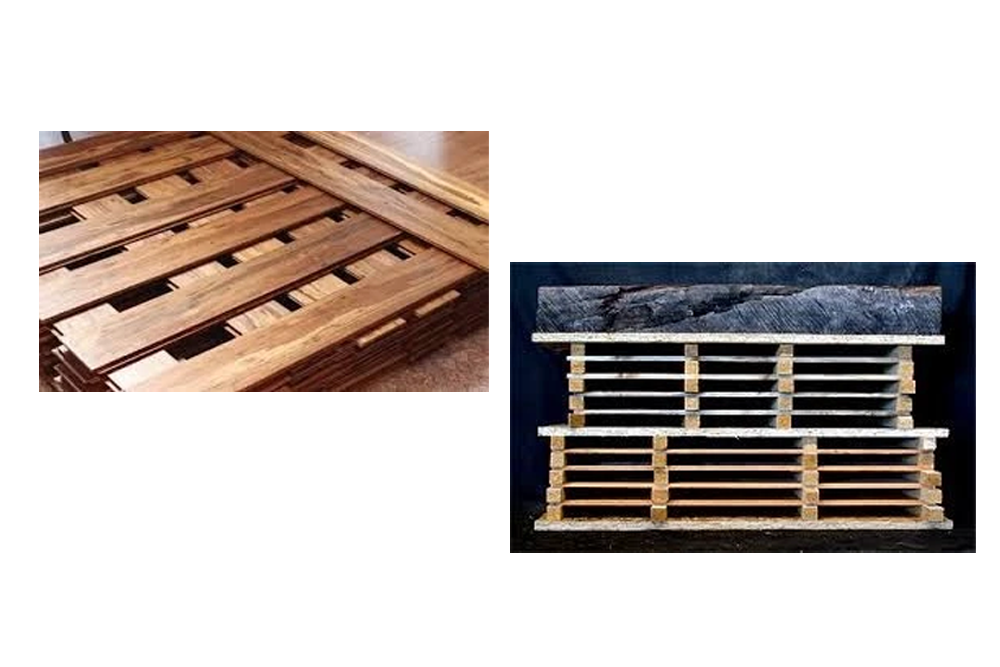
  • Best: Cross-stacking on “stickers” (spacers) to allow airflow across all surfaces.

Best Practices by Material Type

Recommended Acclimation Times and Preparation Guidelines.

Organic Design Blocks (cork)

At least 72 hours, open packaging, ensure HVAC is running—equilibrium, not just time, is key.

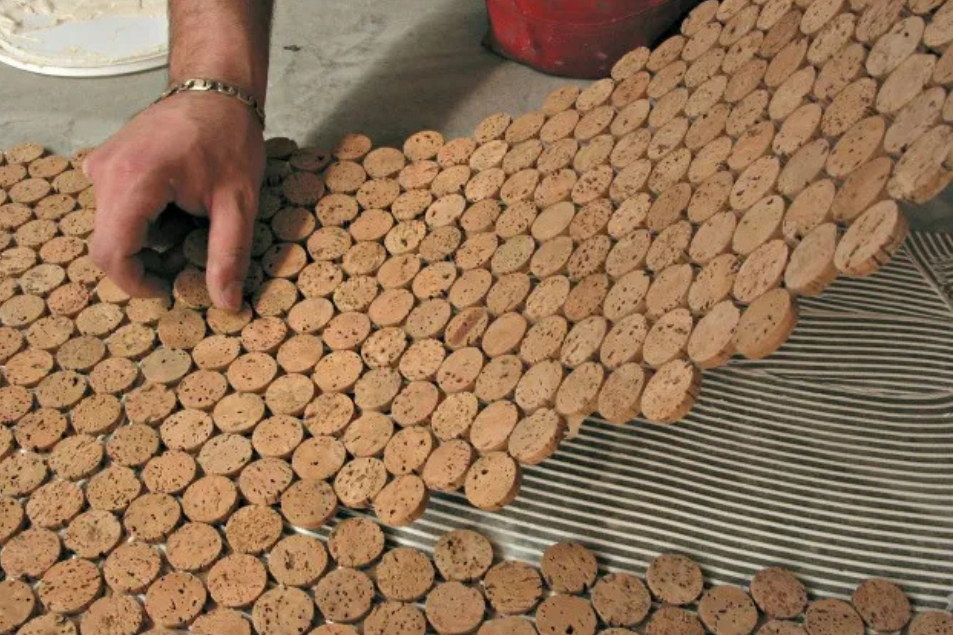
3D Cork Bricks & Beveled Cork

Minimum 72 hours; remove plastic wrapping, open boxes, allow full airflow—adapt time for dry climates.

Primecork Tiles

Minimum 48 hours; open packaging; maintain room temperature above 15 °C; monitor for gapping or expansion.

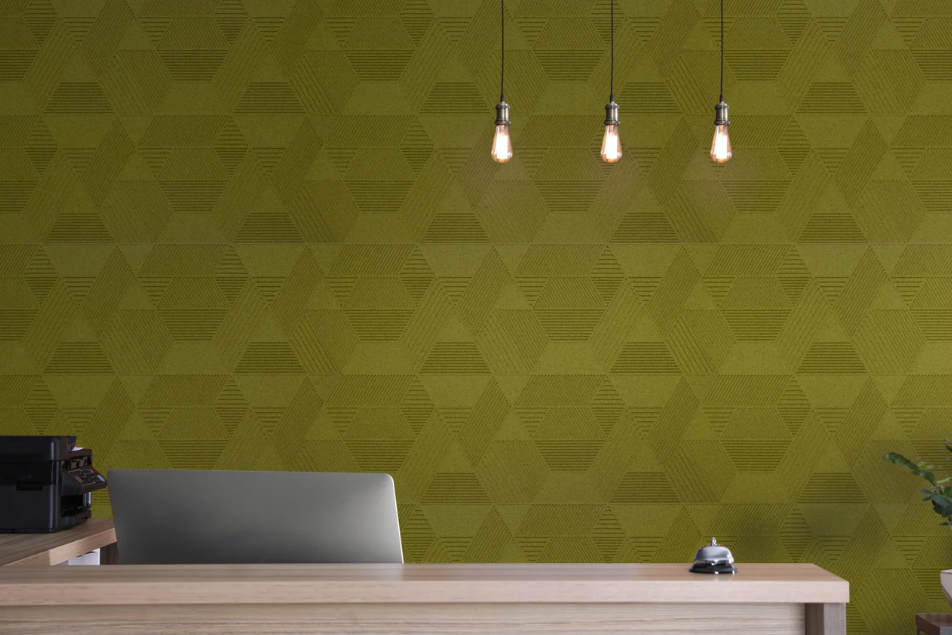
Organic-Strips-Geometric-Olive-front-office-

Textura™ Recycled & Thermosaics

At least 2 days unpacked within the installation space; ensure clean, primed substrates and stabilized HVAC.

Versacork Panels

At least 3 days unpacked; level substrate; ensure clean, moisture-balanced installation conditions.

Verifying Equilibrium

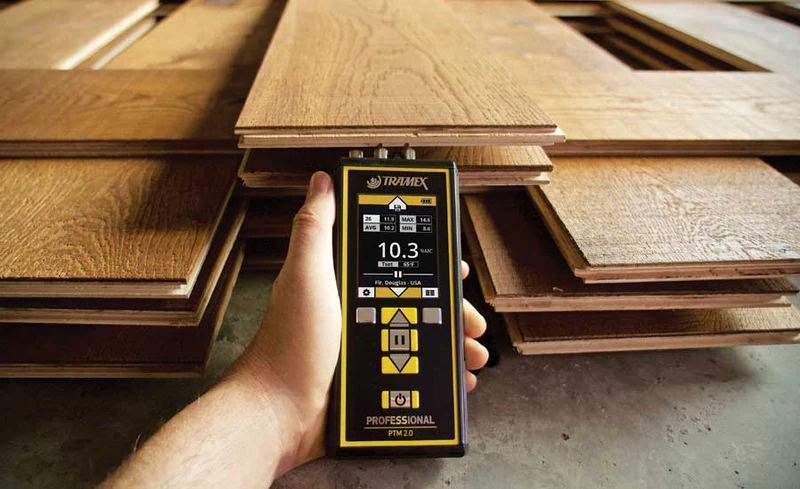
The most reliable test of acclimation is measuring moisture content over time. Use a moisture meter such as a Delmhorst device calibrated for your material (e.g., oak vs. Douglas fir) and chart daily readings. When the moisture change levels off, the material has reached equilibrium.

Understanding Material Behavior

Natural materials are hygroscopic, they absorb or release moisture based on ambient humidity:

  • In dry conditions, they shrink.

  • In humid conditions, they expand—causing visible shifts like gaps or swelling.

  • Properly acclimated materials maintain dimensional stability and preserve installation integrity.

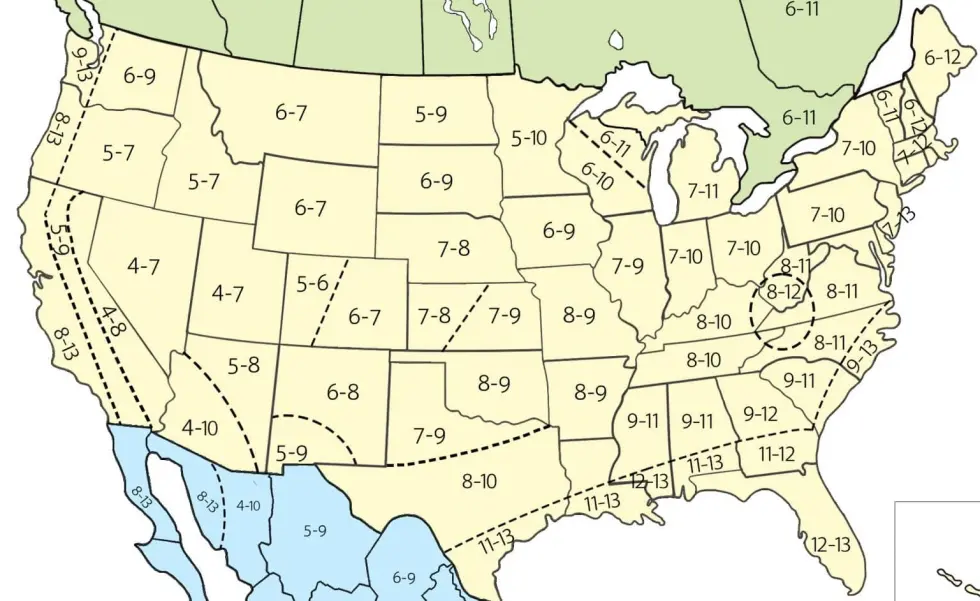
The map illustrates the average moisture content for interior wood products across the United States. Keep in mind that actual micro-climate conditions can differ within the same region, and seasonal humidity changes may cause natural fluctuations in wood moisture levels.

Quick Recap

To ensure successful installation, always unpack materials and expose them to air on all sides. Use spacers or open stacks to promote proper airflow and allow enough time, typically two to three days, for the materials to adjust to the environment. Confirm equilibrium by taking consistent moisture readings, and only begin installation once substrates are clean, properly primed, and the HVAC system has been running steadily to maintain stable site conditions.