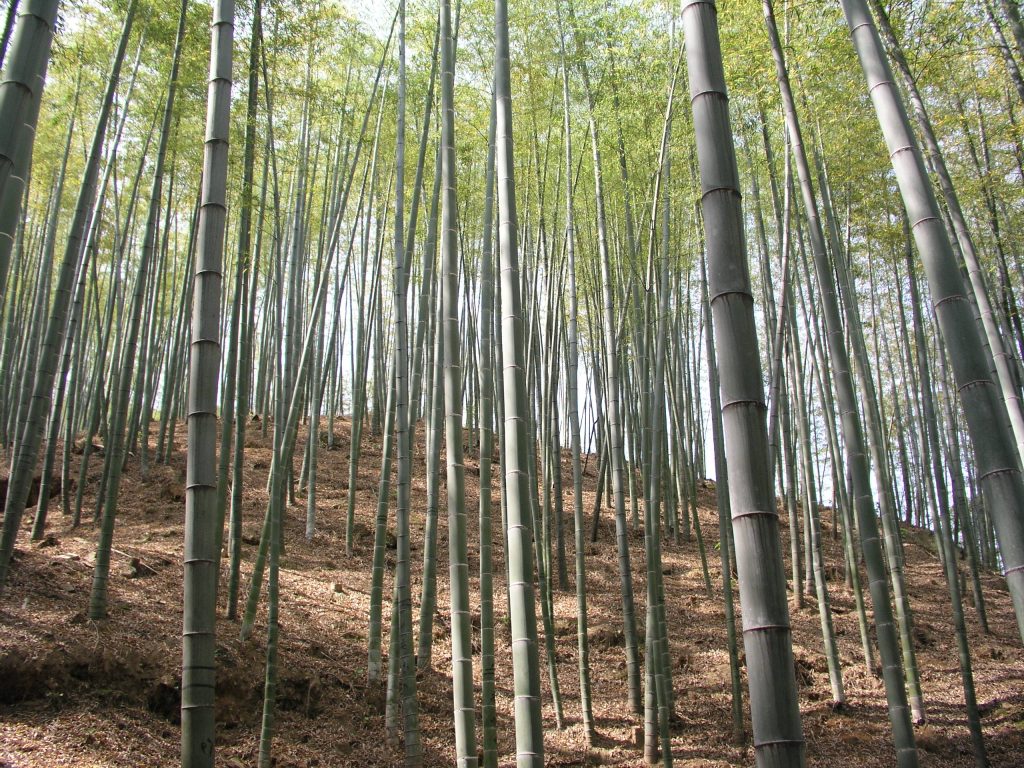
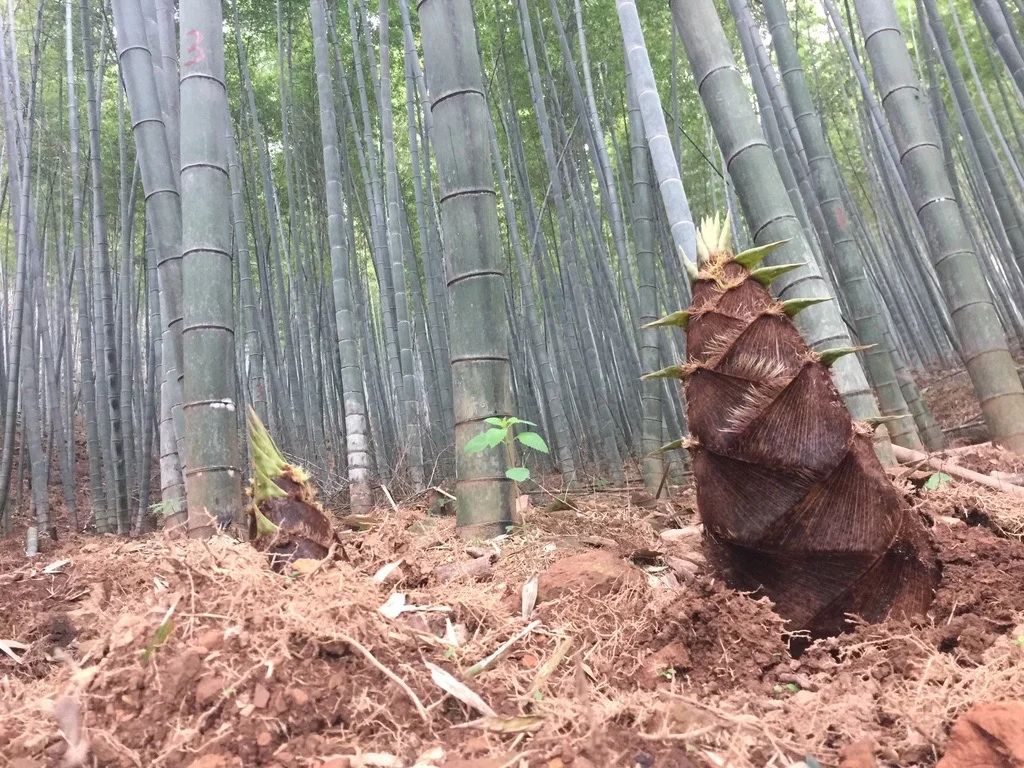
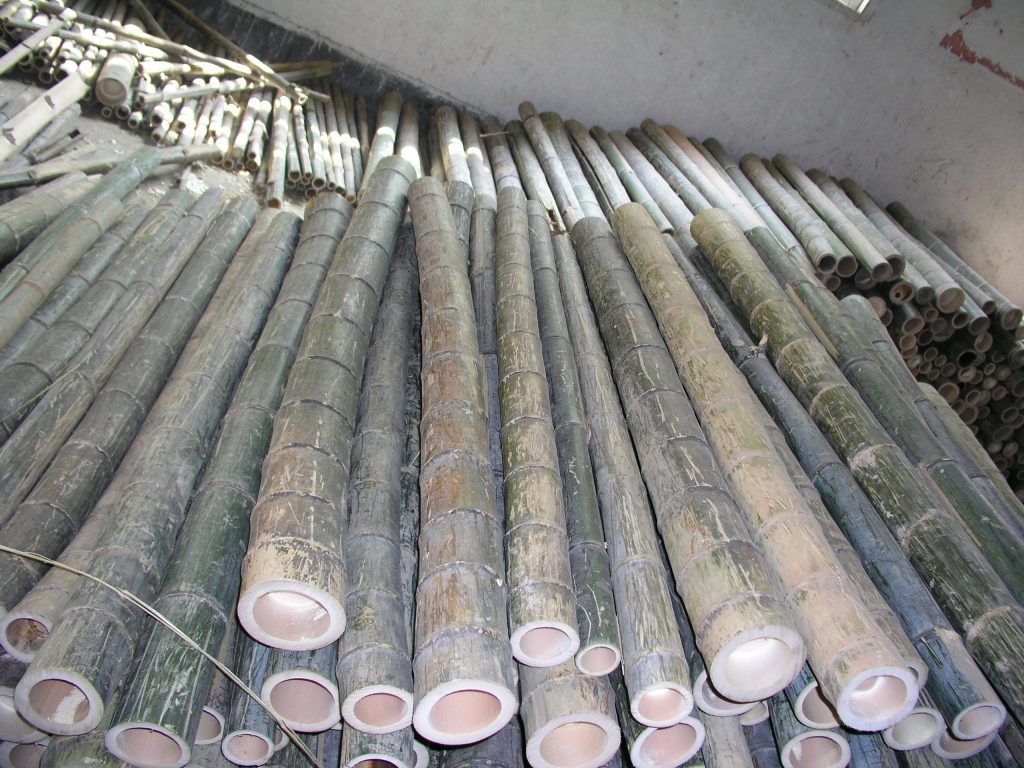
Bamboo, a rapidly renewable rhizomal grass, is one of the fastest-growing plants on Earth, with some species growing up to 60 feet in just a few months. This exceptional growth rate makes bamboo an eco-friendly material, ideal for various construction and manufacturing applications. Its ability to regrow naturally without the need for replanting or irrigation contributes to its sustainability, making it a popular choice for eco-conscious projects.
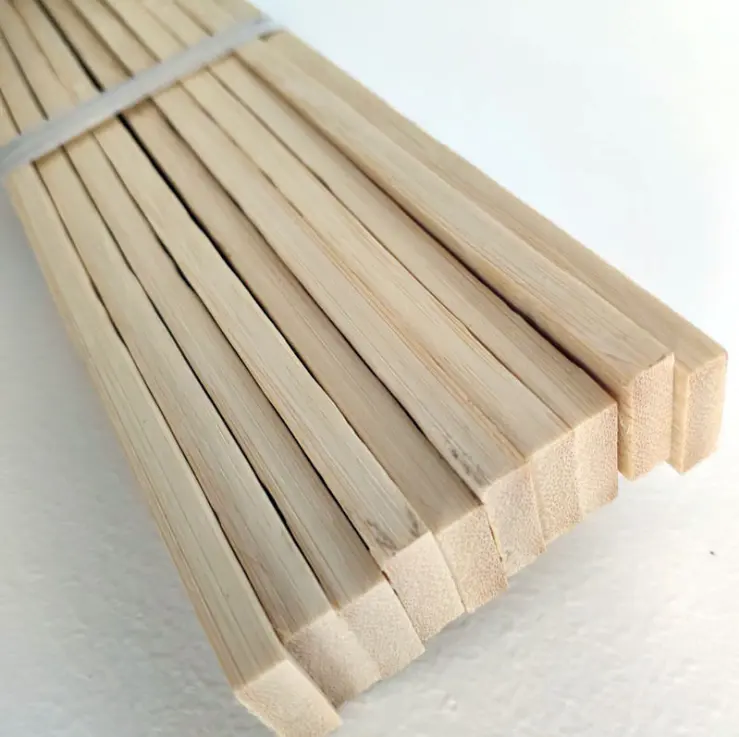
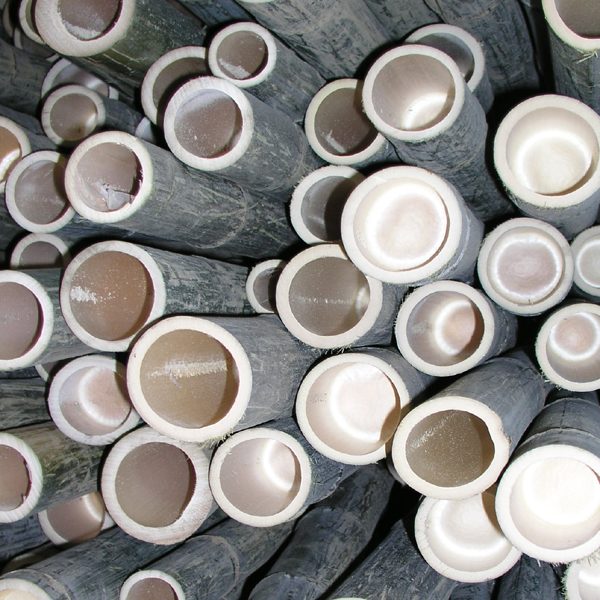
Bamboo’s growth cycle varies depending on climate and region but typically requires 5-6 years to reach maturity. It’s harvested during this period to ensure the fibers are at their hardest and most suitable for use in construction. The harvesting process involves cutting bamboo poles, which are then dried, split into strips, and de-skinned before being processed into building materials like beams, panels, and flooring.
Once harvested, bamboo undergoes several stages to become construction-ready:
1. Drying and Splitting
Bamboo poles are dried and cut into strips. These strips are de-skinned and planed to ensure uniformity and durability.
2. Laminating
The bamboo strips are laminated together using low-VOC or inert adhesives, ensuring the finished product is safe and durable. This process also impacts the environmental footprint, as certain glues used in laminating can release harmful toxins like formaldehyde.
3. Finishing
Bamboo is sanded and further dried to achieve optimal moisture content, which is essential for stability, especially in varying climate conditions. Finishes are applied depending on the product’s use, such as food-safe oils for kitchen products or urethanes for high-wear applications.
Bamboo offers numerous benefits to the ecosystem:
Strandwoven bamboo is one of the most durable forms of bamboo used in construction. It’s ideal for high-traffic commercial applications due to its:
Bamboo is a highly efficient material for both production and carbon sequestration. With its circularity, bamboo can be fully utilized in products ranging from food and textiles to paper and construction materials. Its use reduces waste and promotes sustainable economies. The growing demand for bamboo-based products, such as flooring, panels, and engineered bamboo materials, has bolstered the bamboo industry, especially in China, which is the largest producer and exporter of bamboo products.

Bamboo is increasingly used in the construction of eco-friendly buildings, including bamboo structural lumber for roofs and poles. It is also used in solar energy houses, where bamboo culms are combined with solar energy technology to reduce the building’s energy consumption.
Bamboo, as a construction material, offers exceptional sustainability, durability, and environmental benefits. Whether used for flooring, panels, or structural components, bamboo is a material that not only supports the environment but also provides strong, reliable products for modern construction. By choosing bamboo, developers and manufacturers can contribute to a circular economy while benefitting from a durable, cost-effective material.
Register below for your Trade Account and get your samples for free.