3 Keys to Designing Healthier Environments
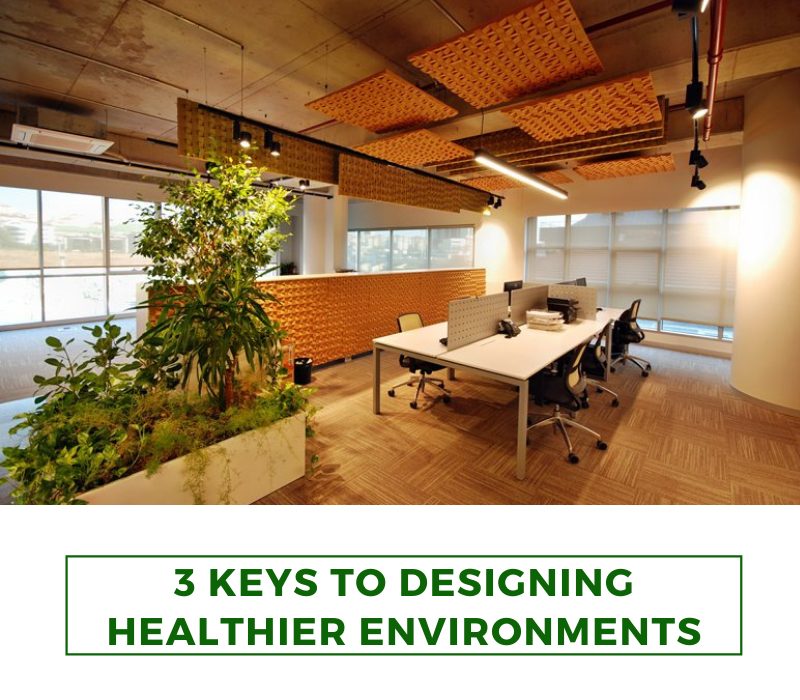
Designers and office managers are facing new challenges as they try to plan for getting employees safely back to their desks. Temporary measures may include plastic shields and spreading out workspaces but how can we plan for longterm, sustainable options? Here are 3 keys to designing healthier environments that will last well into the future. 1. Easy Maintenance When we think about cleaning options from a design perspective, materials must be taken into account. Great looking materials can quickly turn into a frustration if they are not easy to clean and maintain, especially in this current environment that requires extra disinfection. It’s important in high-use environments to design with materials that can withstand not only high traffic, but also heavy cleaning and disinfecting. 2. True Sustainability With all of the latest requirements for personal protective equipment, disposable cleaning supplies, and one-time-use products, we are starting to increase our pollution once again. Designs that consider ways to create less waste will be more important than ever to help us offset the effects of these latest precautions. Choosing materials that can be recycled or are made from recycled materials is a great start. 3. Healthy Acoustics Finally, repeated studies continue to show that one of the key components when it comes to designing for health and wellness, is the acoustics in a space. Statistically, workers can be nearly 65% less productive in noisy environments than they are in quieter offices. There are also proven correlations between distractions and increased anxiety. When stress becomes a chronic factor, even our physical health can be affected! Multiple distractions can add up over time. When people are constantly distracted or interrupted, they may never manage to fully focus throughout their workday. As a result, the opportunities for deep thinking, creativity, and productivity are greatly reduced. Designs that incorporate good acoustics can contribute to a healthier environment, increase the sense of privacy, and enhance the productivity and well-being of those who occupy that space.
Create a Home Office That Works
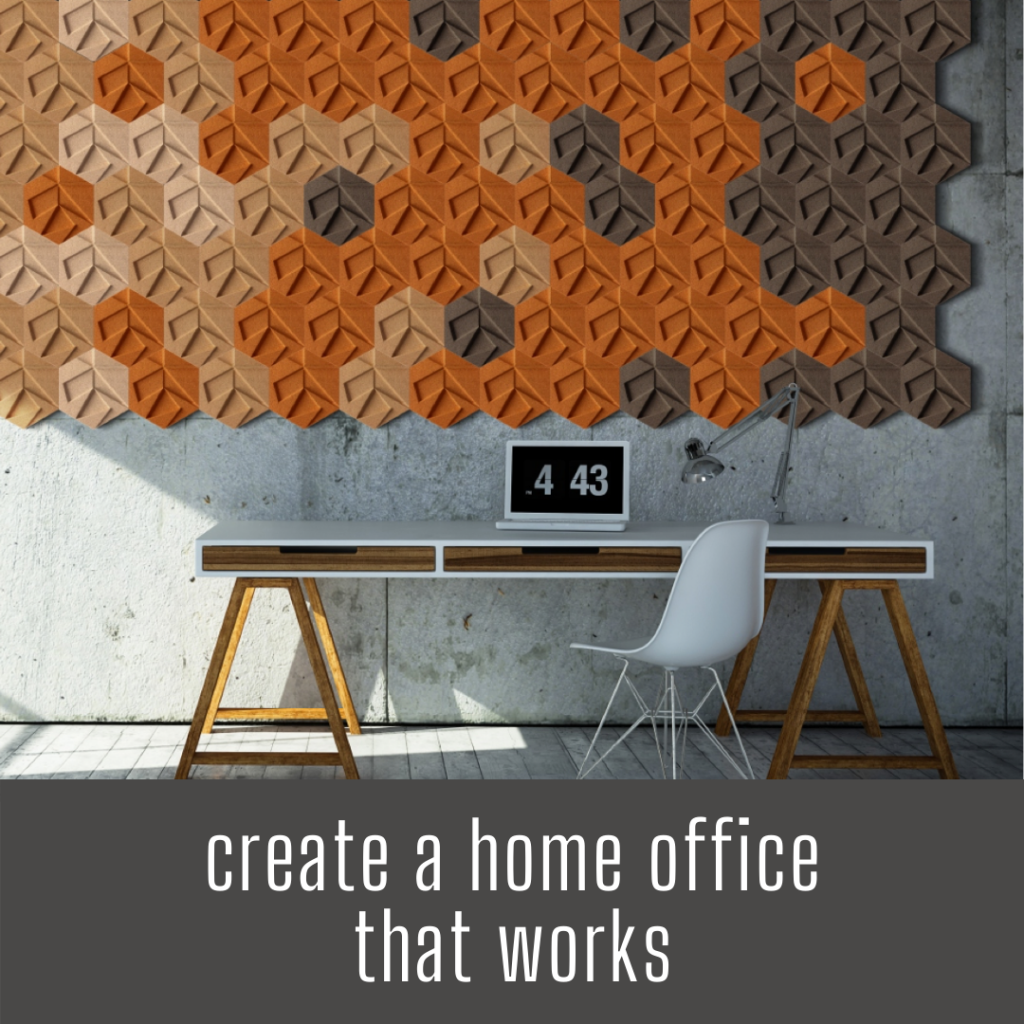
Create a Home Office That Works With so many people working from home these days, a home office has become an essential space. Yet, not everyone has the budget for creating an entire office from scratch, and few people can pay to have a professional space planner design it for them. The good news is, you can create an efficient home office on a budget! Whether you’re working at home full-time or using the home office sporadically, be sure to include good lighting, inspiring decor and comfortable seating. Since the home office is a space you will most likely be spending a lot of time in, it should be a comfortable space that you enjoy. Define Your Work Office Space Just because a space looks great doesn’t mean it’s going to be functional, but it also doesn’t mean you have to have an entire extra room to make this work. First find an area in your house that is away from the loudest areas of your home. Maybe it’s a guestroom or possibly just a corner in your bedroom. You can make use of whatever space you have for an office, even a small closet! Having a truly separate space in which to work, no matter how small, can make a big difference in focus. Virtual tools like Muratto’s Wall Simulator or Planner 5D can help you visualize your ideas before you begin. Use What You Have Take inventory of furniture around your house that could possibly be repurposed. Maybe there’s a comfortable chair in the guest room. Are there any inspiring photos or art that could be moved around? You may even have some things tucked away in closets that are waiting for a new home. Look around the house to see what you can use in your home office. Shop Around A desk is the perfect place to start but you don’t have to spend a lot on a new desk. Even just a simple table can work as a desk and you can add in a file cabinet or small cabinet for storage. Shop around locally to see what others might be getting rid of that might work for you. Add some simple wall shelves for decor and extra storage.
Common Modern Acoustical Challenges (and how to address them)

Every designer has faced the task of figuring out how to create open, welcoming buildings without sacrificing acoustics. From schools to offices and even restaurants, it can be a challenge to accomplish this. Fortunately today there are several simple solutions! Private rooms and offices continue to be a trend of the past while modern office buildings invite collaboration using open spaces and higher ceilings. Yet according to many office surveys, lack of sound privacy is one of the biggest complaints in open plan offices. Designers can find a balance by incorporating simple measures to help direct and reduce sound reverberation effectively. Hard surfaces such as glass and tile offer a clean look but also allow sound to bounce off, amplifying noise. One of the most effective ways of reducing noise pollution is to add acoustic paneling to walls. In addition to improving sound quality, decorative (and functional) wall panels can also add lots of interest to the space! All of our cork wall panels offer varying degrees of acoustic insulation. Another challenge often seen in modern buildings is high, open ceilings. This open space can definitely make a room feel larger but again, it can create unwanted acoustical issues. A simple and attractive fix is to add suspended acoustic panels, often made from cork or other materials to help absorb sound and add visual interest to the room. Spaces such as restaurants that tend to have lots of ambient noise can especially benefit from extra sound absorption. Organic Blocks and Cork Bricks can easily be used as hanging baffles or in space dividers- just contact us for more information! Modern design and good acoustics do not need to be mutually exclusive- today’s acoustic panels and solutions come in many shapes and materials and can be used to add to the aesthetics as well as improving sound quality!
Wallcoverings: Trends and Options
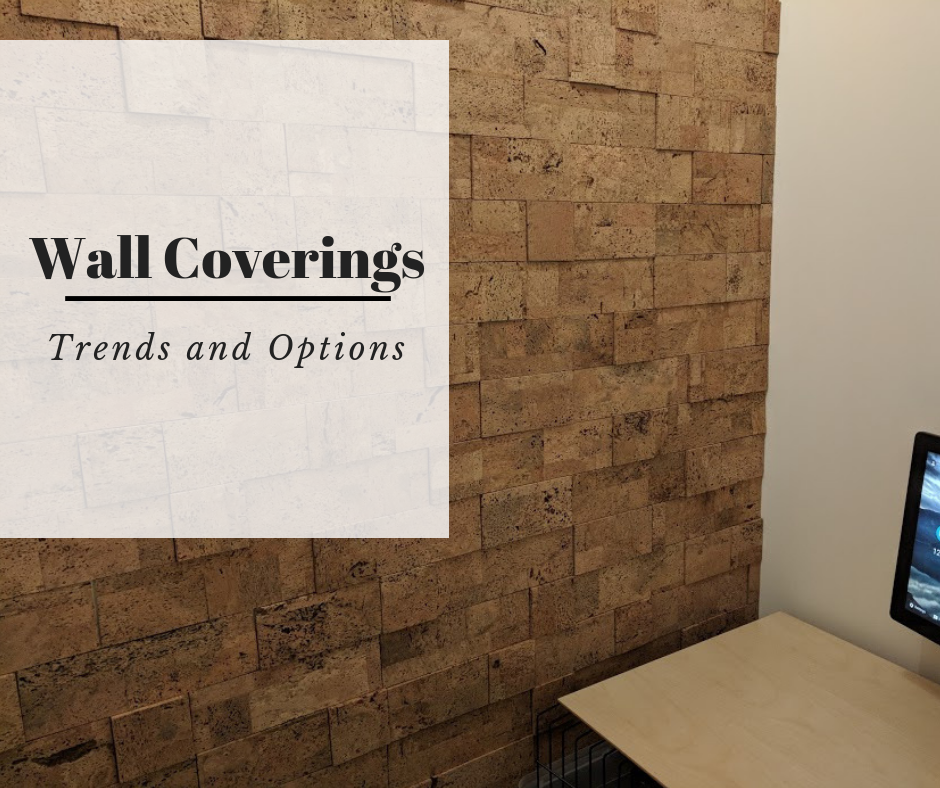
What once was a bleak expanse of white paint is becoming increasingly more inventive as offices and businesses turn to wall coverings as a quick and easy way to promote upfront branding. This trend seems certain to continue as current top architectural wall covering designers continue to offer all kinds of unique and creative wall covering materials and textures such as fabric, cork and reclaimed wood. Business owners now have endless options for custom printed wall coverings and murals with the ever-increasing advances in printing technology. Creative wall coverings offer many advantages over traditional options such as paint or wallpaper. Durability- Many of today’s custom wall coverings are created with durability in mind, offering function as well as style. Texture can aid in durability by disguising wear and tear to walls and surfaces that a smooth or shiny surface would show immediately. Materials such as cork offer antimicrobial properties, keeping walls naturally clean and reducing germs. Ease of Installation- Traditional wallpaper brings to mind messy glue, difficulty lining up patterns, and permanence. Many modern wall coverings and panels are designed to install quickly and change out easily. Panels such as our Cork Bricks even offer peel and stick options for speedy installation. Branding- Wall coverings can be customized to include a company logo or color scheme offering instant recognition and making a memorable impression on visitors and clients. Mix and match organic cork blocks to create a unique pattern in a wide range of colors- many can even be painted for a custom look. Consider modular wall coverings in your next design to create an easy, unique, and memorable look.