Sustainable Materials

Concrete material

What is Concrete?

Concrete is a construction material made from mixing cement, with aggregates and sometimes additives with water, which triggers a chemical reaction called hydration, wherein the mixture binds together and hardens. Concrete has strong compressive values, is very durable, and can be used in many different applications. The reality of the material is that it is not a sustainable product, as its main component (cement) is responsible for 7-8% of global CO² emissions, and the heating of the calcium carbonate in the mixture occurs at very high temperatures that also releases large amounts of CO² from its; combustion (at 1450 degrees C), and the chemical reaction that occurs during the heating. Concrete is very carbon intensive.

Why Concrete Veneer?

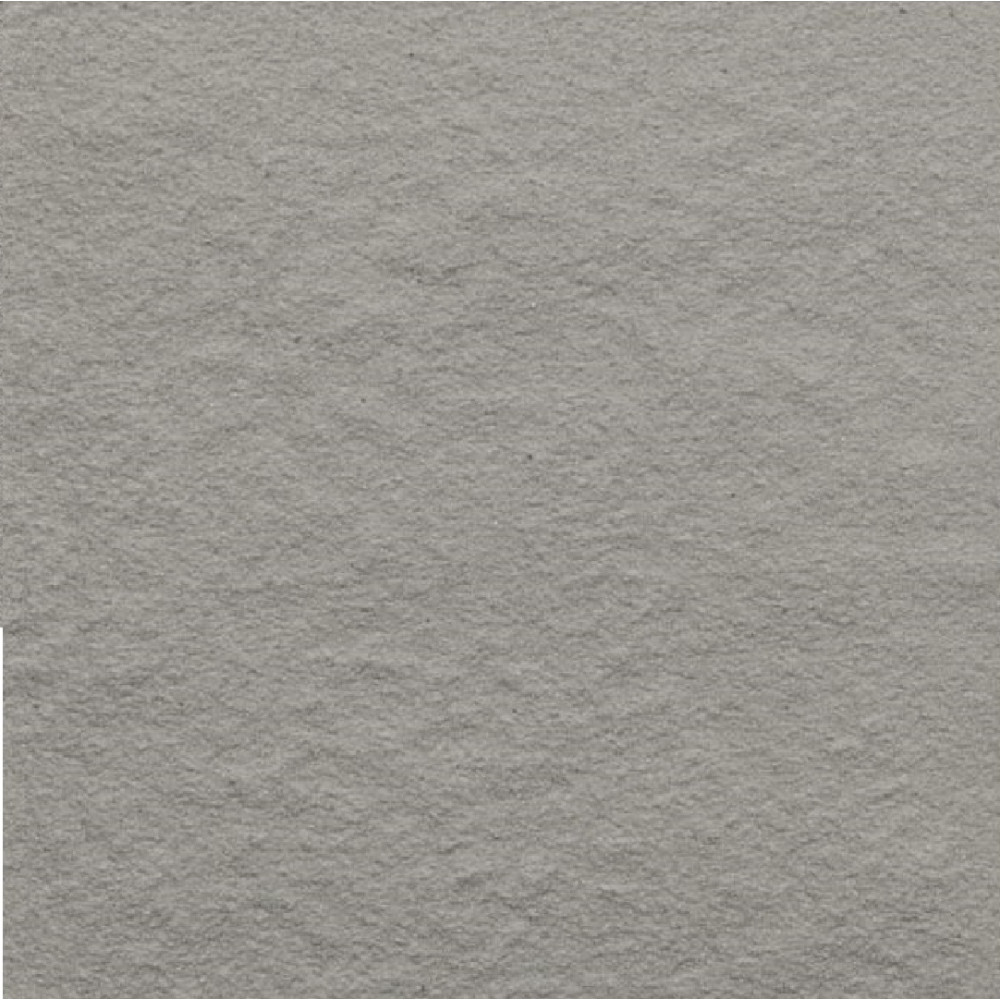
Though there is currently no scaled, viable and cost-effective replacement for the structural component of concrete, it is still often used as a decorative element in construction, one which historically could only be achieved through the placement of concrete slab purposes. Concrete Flex provides the look and feel of ‘real’ concrete, but in a much more efficient way. Instead of an 8” thick wall, you can achieve the same aesthetic value in a 3mm (1/8”) veneer (so, roughly less than 2% of the input materials). Concrete Flex panels are ideal for both planar and curved surfaces and can be used inside or outside.
How it is processed

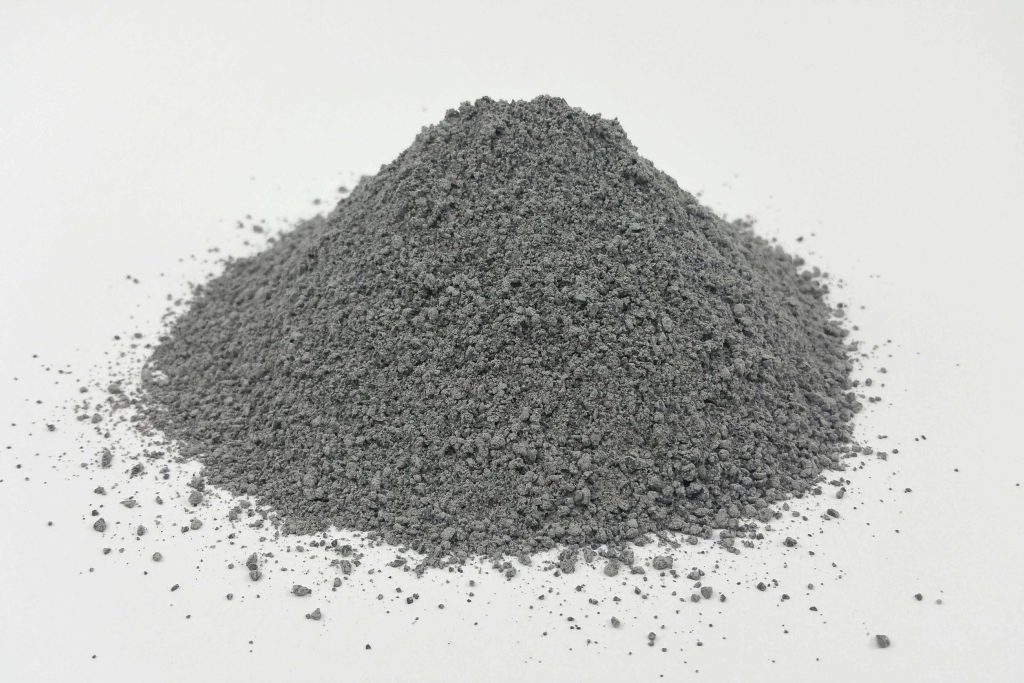
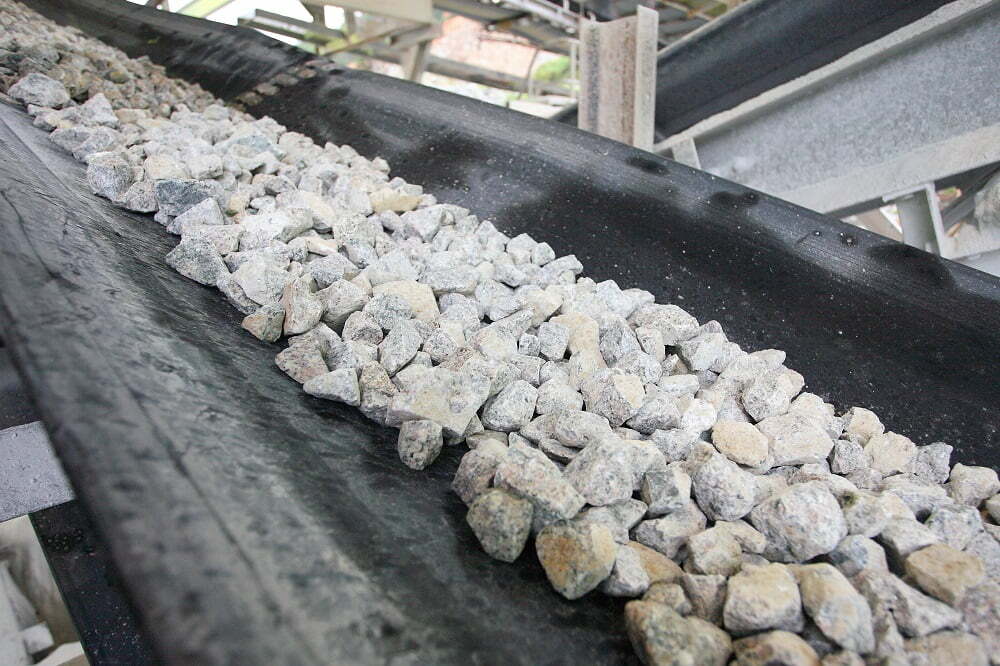
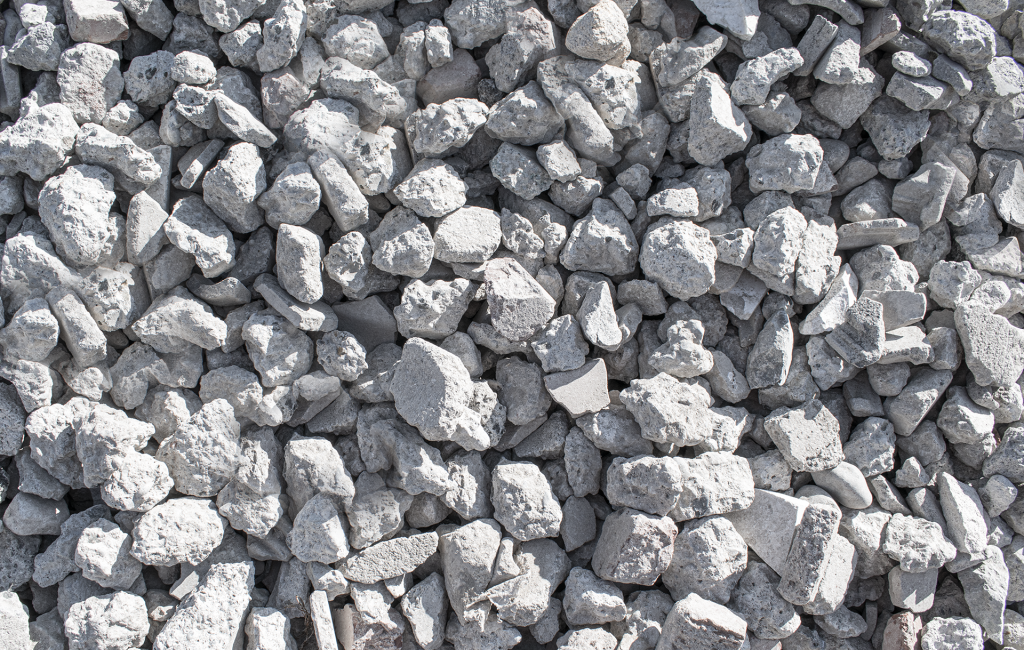
Concrete Flex uses 90% of mineral aggregates that are recovered from production waste from large quarries, finding a home for non-renewable waste, which in turn protects natural heritage and landscapes.

Benefits to Ecosystem

Decreased mining, lower water usage, decreased reliance of high carbon processes, quicker to use/apply/install.