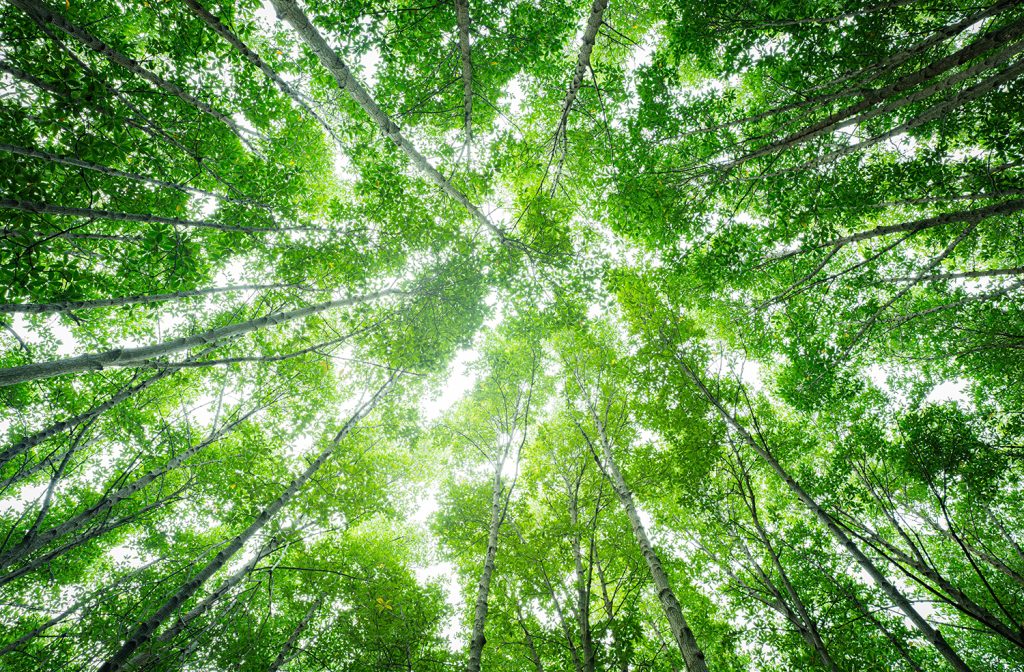
Cork is the outer bark of the cork oak tree (Quercus Suber L.), native to the Western Mediterranean Basin. These trees thrive in sandy soils with balanced nutrients, moderate rainfall, and defined altitudes. Cork oak forests are government protected and play a vital role in combating climate change as important global carbon sinks.
Regenerative Harvesting
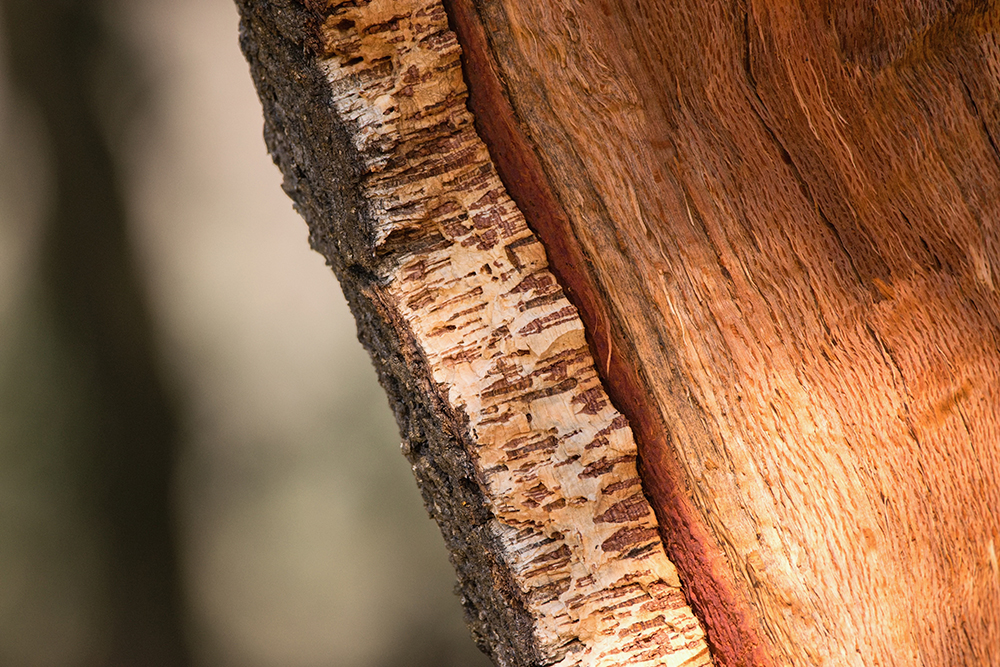
Unlike many materials, cork is harvested without cutting down the tree. The bark is carefully removed every nine years, and the tree regenerates naturally. This cycle continues for 200–300 years, making cork one of the most renewable natural resources available today.
Unique Cellular Structure
Cork’s value lies in its honeycomb cellular structure, with more than 200 million air-filled cells per cubic inch. This natural formation gives cork its exceptional technical properties:
Waterproof at the cellular level
Lightweight and resilient
Superior thermal insulation with no thermal breaks
Acoustic absorption that reduces noise naturally
These features make cork a highly versatile, high-performance material.
Key Applications of Cork
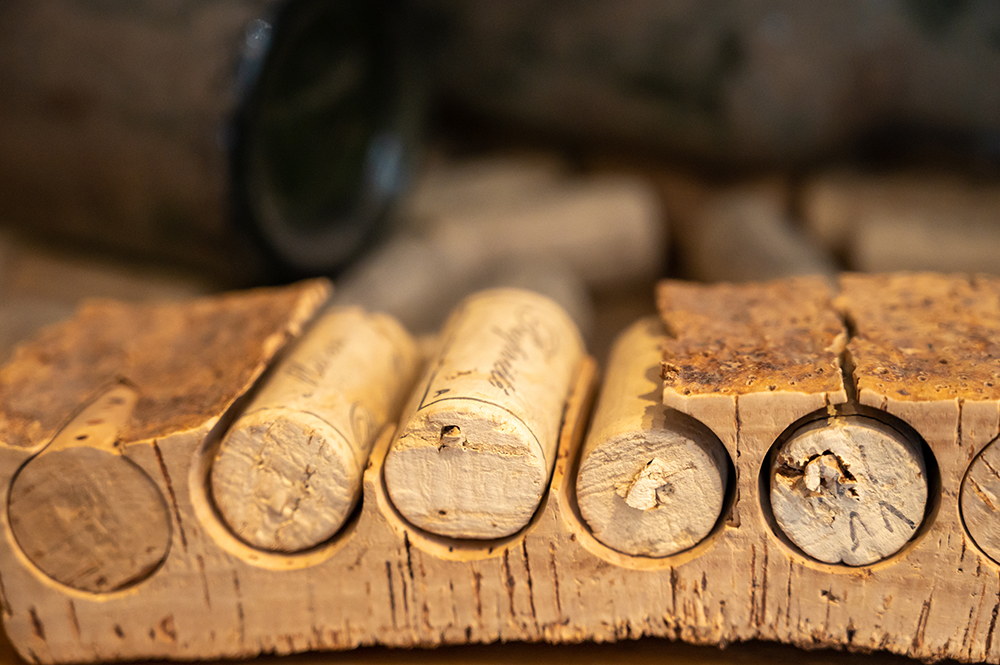
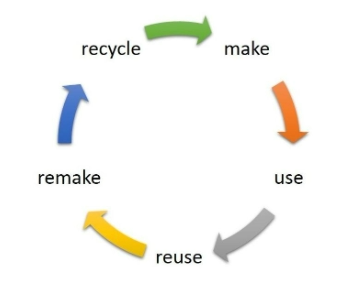
Cork is a closed-loop material – virtually nothing goes to waste. Around 50% of cork bark is used for wine stoppers, while the rest is transformed into a wide range of products and innovations:
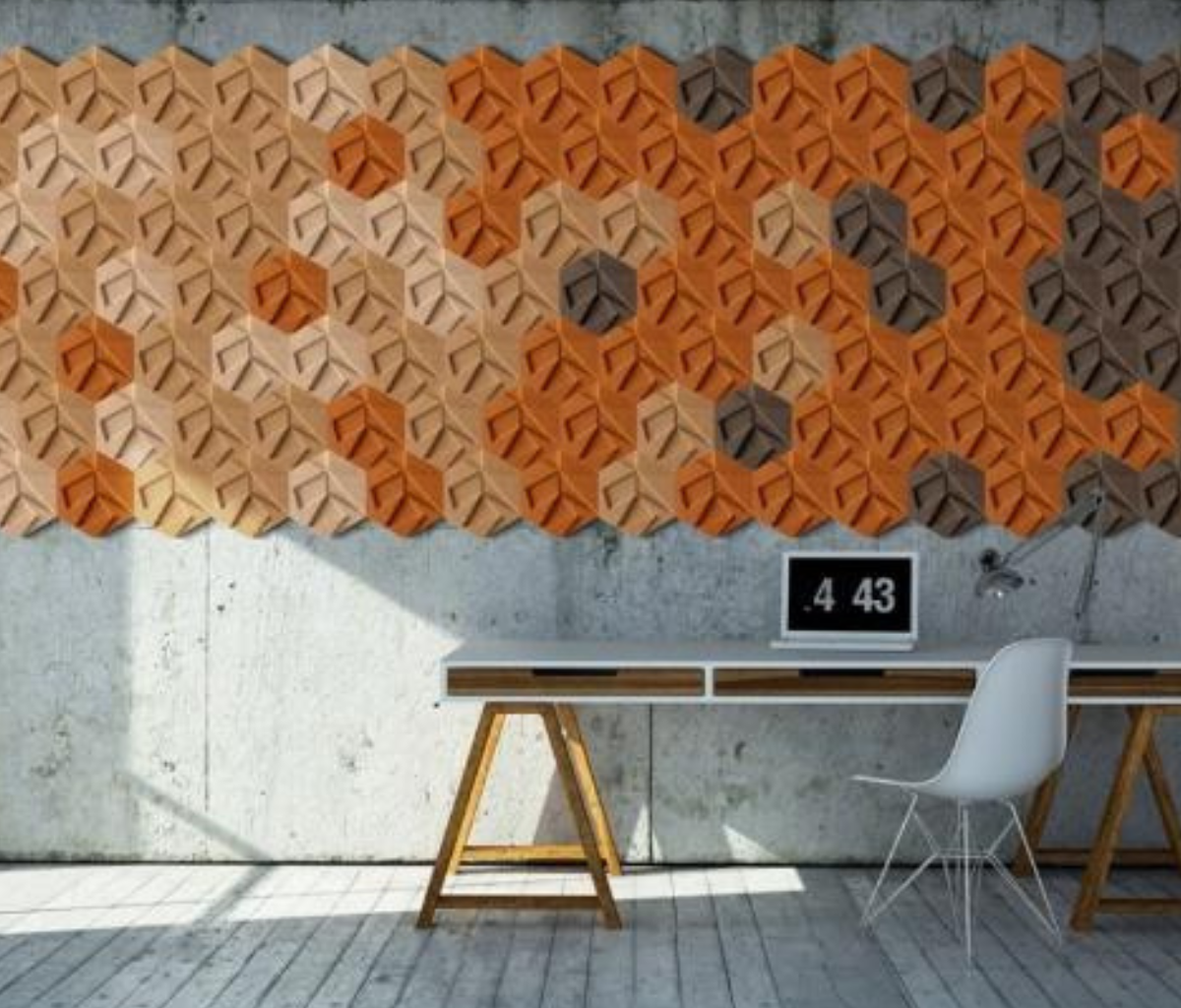
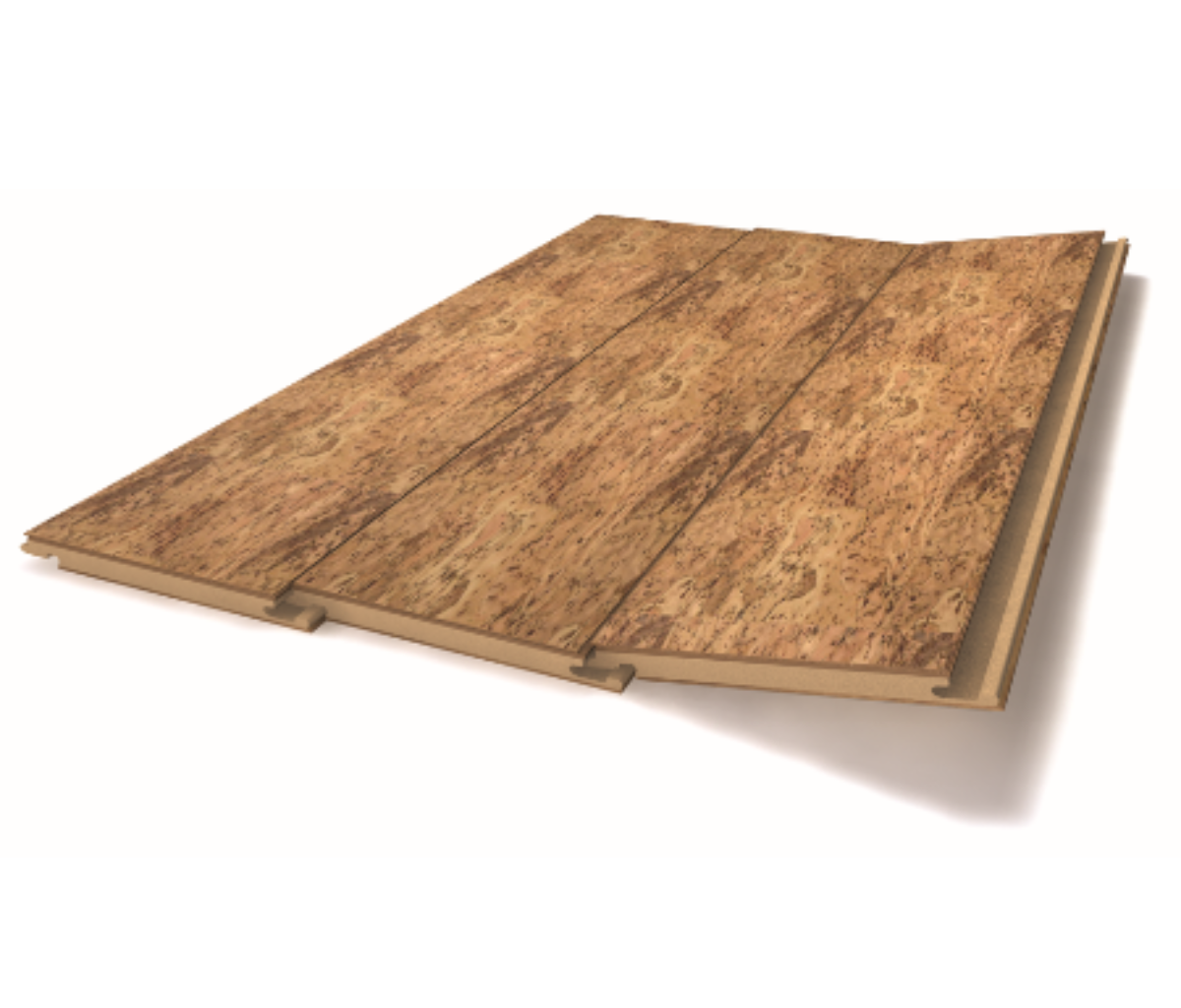
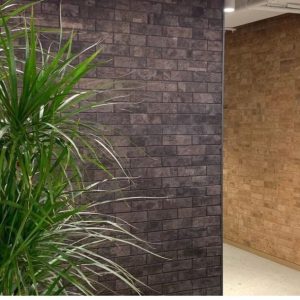
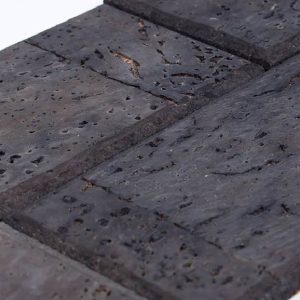
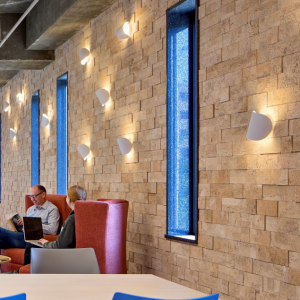
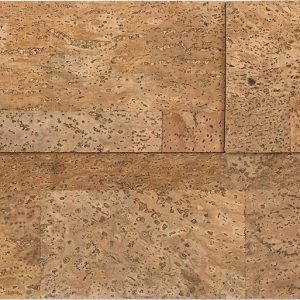
Flooring & Wall Panels
Warm textures, natural thermal comfort, and sound reduction.
Veneered Cork
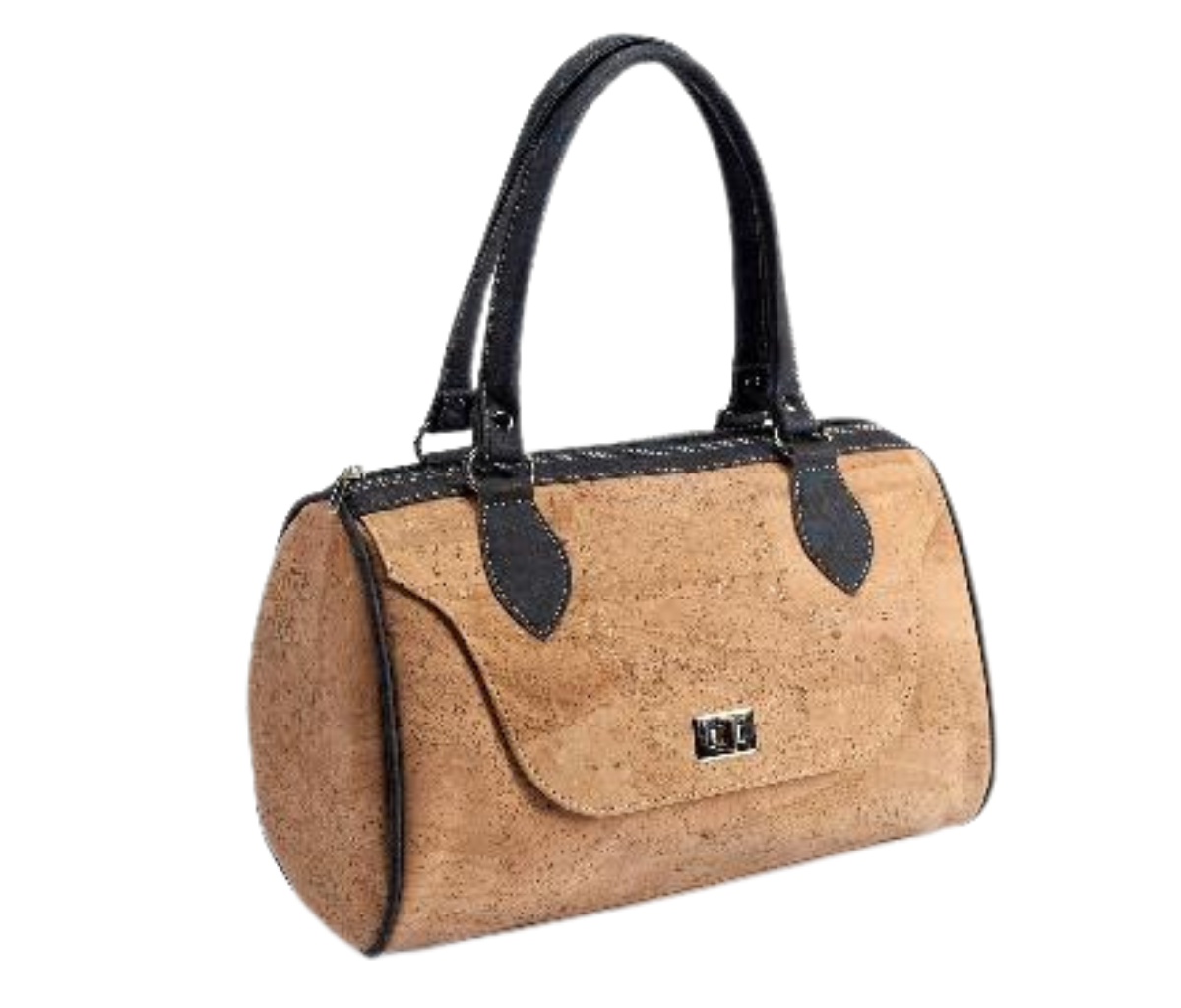
Thin slices crafted into fabrics (vegan leather alternatives), finishes, and decorative materials
Durability – Long life span with regenerative harvesting.
Final Note
Choosing cork means supporting a material that is natural, high-performing, and planet-friendly. Whether used for interiors, insulation, or lifestyle products, cork delivers both practical benefits and sustainable impact—without compromise.
Cork Product
Cork Bricks™ – Beveled
$4.00View Product
This product has multiple variants. The options may be chosen on the product page
Cork Bricks™ – 3D
$4.00View Product
This product has multiple variants. The options may be chosen on the product page